
Exclusive Pumping Explained: Why I Did It and What I Learned
July 26, 2025
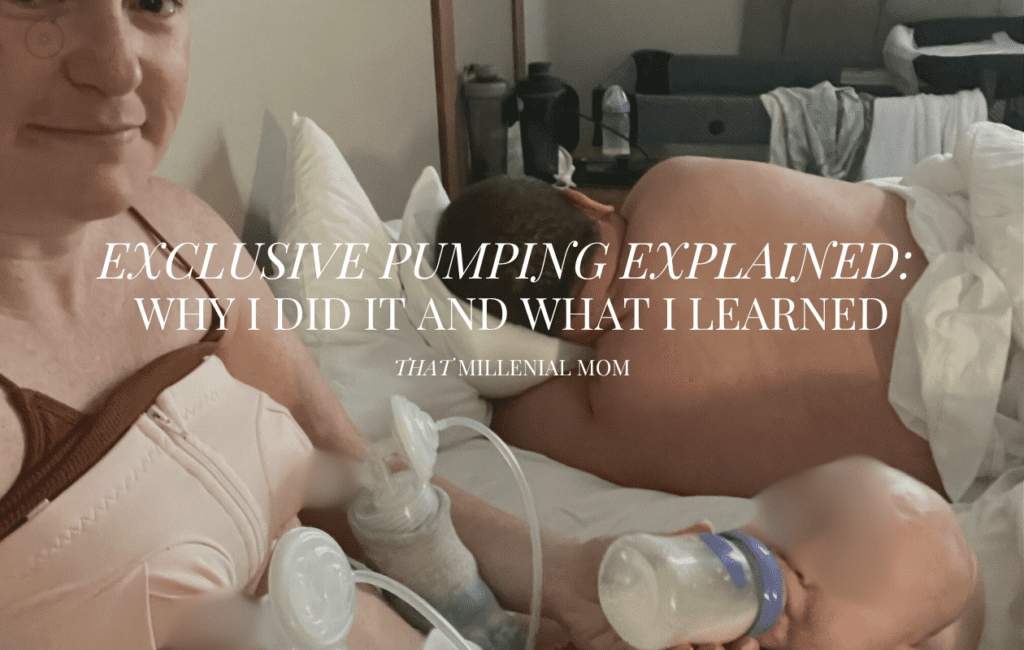
Have you seen those TikTok or Instagram videos of moms pouring milk out of pumps straight into bottles or pitchers and wondered what’s going on? That’s exclusive pumping—often called EP—and it’s changing how some parents feed their babies.
What Is Exclusive Pumping (EP)?
Exclusive pumping means providing your baby with breastmilk by pumping and bottle-feeding—without nursing directly at the breast. Some moms EP temporarily, while others choose it for their entire breastfeeding journey.
Why Do Moms Choose Exclusive Pumping?
The reasons vary, but here are the most common:
- Medical reasons: babies born with oral ties, NICU stays, or feeding dysfunction
- Physical challenges: nipple trauma, latch pain, or mastitis history
- Personal choice: simply preferring to pump over nursing
Why Did I Choose EP?
Did I choose EP or did EP choose me?! I was thrown into exclusive pumping at eight weeks postpartum. My son had a Type III tongue and lip tie that caused severe nipple damage. I also learned that although we did infant chiropractic work and oral tie releases, that truly was not enough – he needed so much more body work and oral function practice. A story for another time! Even with tie releases, I was still in so much pain, so my IBCLC diagnosed me with Vasospams – likely caused by Reynaud’s which was likely caused by my Hashimotos. The vasospams were SO painful, no matter what I did to encourage a good latch. I admittedly was dealing with other postpartum issues and did not have the right support systems in place, so EP became my only way to continue breastfeeding—and I did it for 14 months. Thanks to an oversupply, I even fed him breastmilk for six weeks after I weaned.
Why Does It Look Like Everyone Is Pumping?
Social media algorithms can make exclusive pumping feel like the norm. Watch one pumping video and your feed suddenly fills with similar content. While some moms pump in addition to nursing, many do so because of pressure to build a freezer stash or because they thought it was required.
Truth is: if your baby is nursing well and gaining weight, you don’t have to pump after every feed. Or at all. Or you can pump only if you’re going to be away from baby during a normal feeding session. Pumping has its place (especially for returning to work or medical situations), but it’s not mandatory.
Who Should You Trust for Pumping Advice?
Postpartum is overwhelming and online content can either empower or confuse you. Look for credentialed experts:
- CLC (Certified Lactation Counselor) – trained and certified to counsel families on lactation.
- IBCLC (International Board Certified Lactation Consultant) – internationally recognized with advanced training.
- CBS (Certified Breastfeeding Specialist) – completed a lactation-specific training program and passed an exam demonstrating breastfeeding support competency, often a stepping stone toward becoming an IBCLC.
You can verify CLC credentials here.
I share tips and experiences from my EP journey but I do what I can to make sure it’s clear that I’m not a CLC and I won’t sell guides on how to increase your supply or how to properly pump until I’m certified because moms deserve accurate and ethical support.
My Key Takeaway
Exclusive pumping is a powerful, valid feeding choice—but it’s not one-size-fits-all. Social media is great for community, but always fact-check what you consume and choose the feeding method that works for you and your baby by working with a CLC or IBCLC!
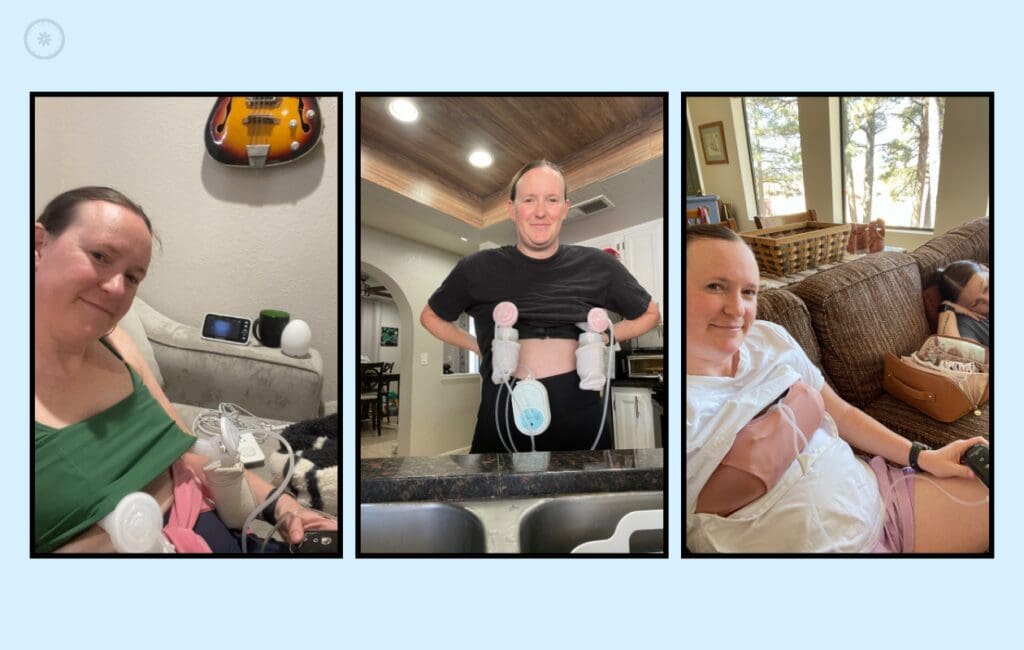
Exclusive pumping is already hard enough—let’s make it easier. My travel and back-to-work guides help you stay organized, and our EP Mom t-shirts let you rep your journey with pride!
- Exclusive Pumping Travel Guide – everything you need for pumping on the go
- Back to Work Pumping Guide – a step-by-step return-to-work plan
- EP Mom T-Shirts – because exclusive pumpers deserve merch, too!
Add a comment
0 Comments